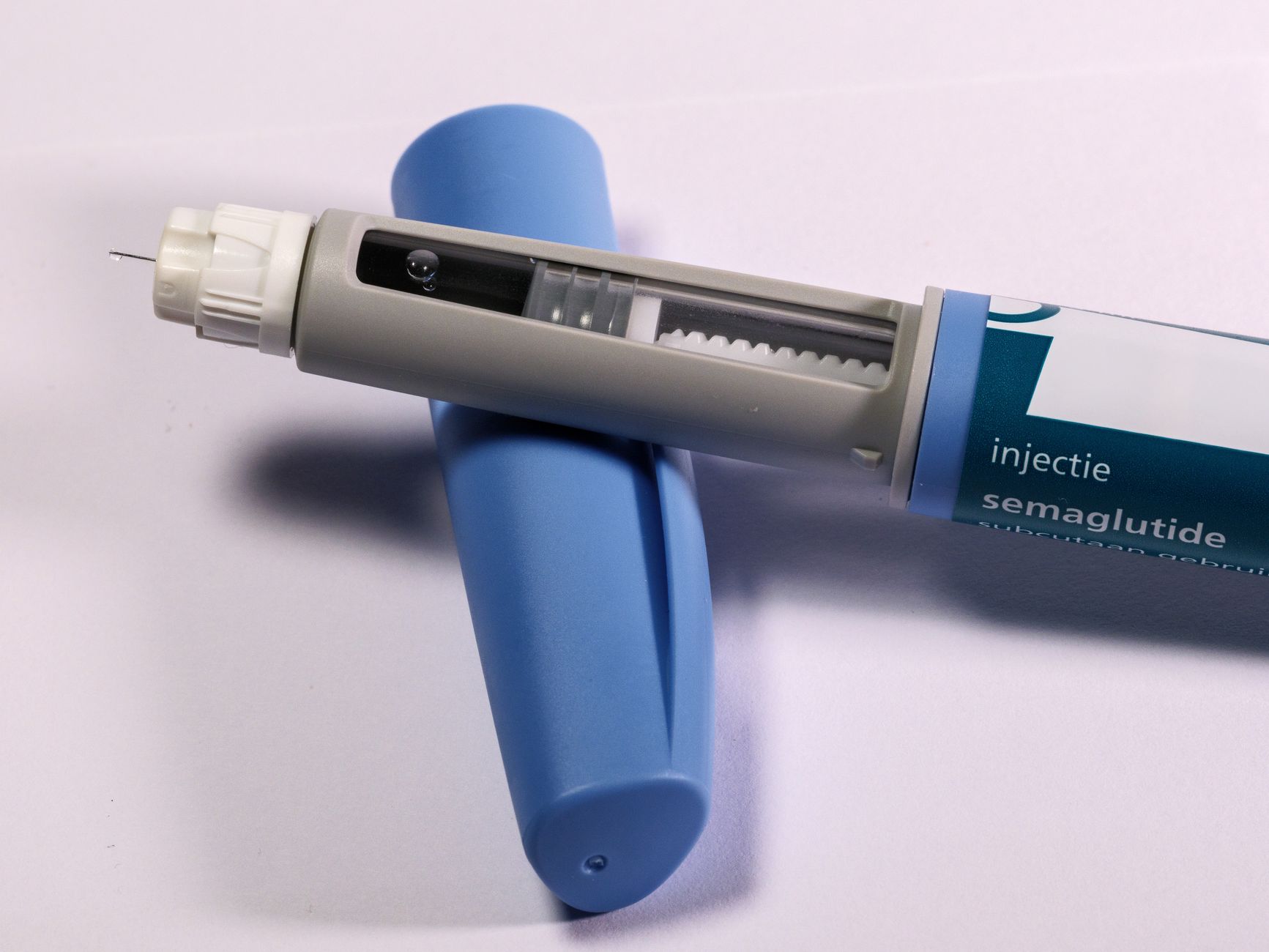
FDA anticancer drug approval has been secured by South Korea’s HLB, marking a historic achievement in the fight against cholangiocarcinoma. This development holds promise for patients and the pharmaceutical landscape.
What is Cholangiocarcinoma?
Cholangiocarcinoma, also known as bile duct cancer, is a rare and aggressive form of cancer that originates in the bile ducts. These ducts are crucial for transporting bile from the liver to the small intestine, aiding in digestion. There are several types of cholangiocarcinoma, including:
- Intrahepatic cholangiocarcinoma – occurs within the liver.
- Perihilar cholangiocarcinoma – occurs at the junction where the bile ducts exit the liver.
- Distal cholangiocarcinoma – occurs in the bile duct closer to the small intestine.
This type of cancer is often diagnosed at an advanced stage, making treatment challenging. The recent FDA anticancer drug approval for cholangiocarcinoma represents a significant advancement in the fight against this difficult-to-treat disease, offering new hope to patients and their families.
The Significance of FDA Approval
The recent FDA anticancer drug approval marks a significant milestone in the fight against cholangiocarcinoma, a rare and aggressive form of cancer affecting the bile ducts. This groundbreaking approval by HLB offers new hope for patients who have limited treatment options.
With this advancement, patients may experience:
- Improved outcomes: New therapies can lead to better survival rates.
- Increased access: FDA approval may facilitate wider distribution and availability of the drug.
- Enhanced research: Approval could encourage further studies into cholangiocarcinoma treatments.
Overall, the FDA anticancer drug approval not only represents a victory for HLB but also signifies progress in the broader oncology landscape, providing patients with renewed hope in their battle against this challenging disease.
HLB’s Journey to Approval
The journey of HLB to secure FDA anticancer drug approval has been marked by significant milestones and challenges. After years of rigorous research and clinical trials, HLB’s innovative treatment for cholangiocarcinoma has finally received the much-anticipated green light from the U.S. Food and Drug Administration.
This approval not only highlights HLB’s commitment to advancing cancer therapies but also offers hope to patients battling this aggressive cancer. The drug’s efficacy was demonstrated in Phase III trials, which showed promising results in extending survival rates among patients.
Furthermore, HLB’s achievement underscores the importance of continued investment in cancer research. As the company prepares for the drug’s launch, it aims to provide support and resources for patients and healthcare providers navigating this new treatment option.
Impact on Patients and Treatment Options
The recent FDA anticancer drug approval for HLB’s treatment offers new hope for patients battling cholangiocarcinoma. This breakthrough signifies not only a regulatory milestone but also a potential shift in treatment paradigms for those affected by this aggressive cancer.
With the introduction of this drug, patients may experience:
- Increased Survival Rates: Early studies suggest that the new treatment could improve outcomes significantly.
- Expanded Treatment Options: Patients now have access to therapies that were previously unavailable, providing more choices in their care.
- Enhanced Quality of Life: Innovative therapies often result in fewer side effects, allowing patients to maintain a better quality of life during treatment.
As the medical community analyzes the implications of this approval, the focus remains on how it will ultimately benefit patients in their fight against cholangiocarcinoma.
Future of Anticancer Drugs
The future of anticancer drugs looks promising, especially following the recent FDA anticancer drug approval of HLB’s new treatment for cholangiocarcinoma. This breakthrough signifies not only a win for the pharmaceutical industry but also raises hope for patients battling this aggressive cancer.
As research continues, the potential for innovative therapies is expanding. Experts emphasize the importance of personalized medicine, which tailors treatment based on individual patient profiles. Additionally, advancements in biotechnology are paving the way for novel drug delivery systems and combination therapies.
Patients and healthcare providers alike are optimistic that these developments will enhance survival rates and improve quality of life. Ongoing clinical trials and regulatory support will be crucial in bringing more effective anticancer drugs to market in the coming years, potentially transforming the landscape of cancer treatment.
Challenges in Drug Approval Process
The FDA anticancer drug approval process is often fraught with challenges that can significantly delay access to potentially life-saving treatments. One major hurdle is the rigorous requirement for clinical trials, which must demonstrate not only the efficacy of the drug but also its safety for patients. These trials can be lengthy and expensive, sometimes deterring smaller companies from participating in drug development.
Additionally, the complexity of cancer itself poses a challenge, as different patients may respond uniquely to similar treatments. This variability can complicate the approval process, as the FDA must evaluate a drug’s performance across diverse populations.
Moreover, regulatory changes and evolving scientific standards can introduce further uncertainty. As a result, while the recent FDA anticancer drug approval brings hope, it also highlights the ongoing difficulties faced in the drug approval process.
Comparing HLB’s Drug to Competitors
As HLB celebrates its FDA anticancer drug approval, comparisons with competitors become essential to understand its potential impact on treatment. HLB’s drug, which targets cholangiocarcinoma, stands out due to its innovative mechanism of action.
Some of the major competitors include:
- Drug A: Known for its broad-spectrum efficacy, but has significant side effects that limit patient tolerance.
- Drug B: Offers a targeted therapy approach, yet its high cost poses accessibility challenges for many patients.
- Drug C: A recently approved treatment that shows promise but lacks long-term efficacy data.
HLB’s drug not only provides an alternative but may also improve patient outcomes by minimizing side effects, making the FDA anticancer drug approval a pivotal moment in the competitive landscape of cholangiocarcinoma therapies.
Expert Opinions on the Approval
Experts in the oncology field have expressed a mix of optimism and caution regarding the recent FDA anticancer drug approval for HLB’s treatment of cholangiocarcinoma. Dr. Sarah Johnson, a leading oncologist, emphasized the significance of this milestone, stating, “This approval marks a critical step forward in addressing an aggressive cancer that often leaves patients with limited options.” However, she also noted the importance of ongoing clinical trials to establish long-term efficacy and safety profiles.
Another expert, Dr. Michael Lee, pointed out that while the approval is a victory, it is crucial for patients to stay informed about their treatment plans. “This drug could be a game changer, but it is essential to consider it as part of a comprehensive treatment strategy,” he advised. As more data emerges, the full impact of this approval will become clearer for patients and healthcare providers alike.