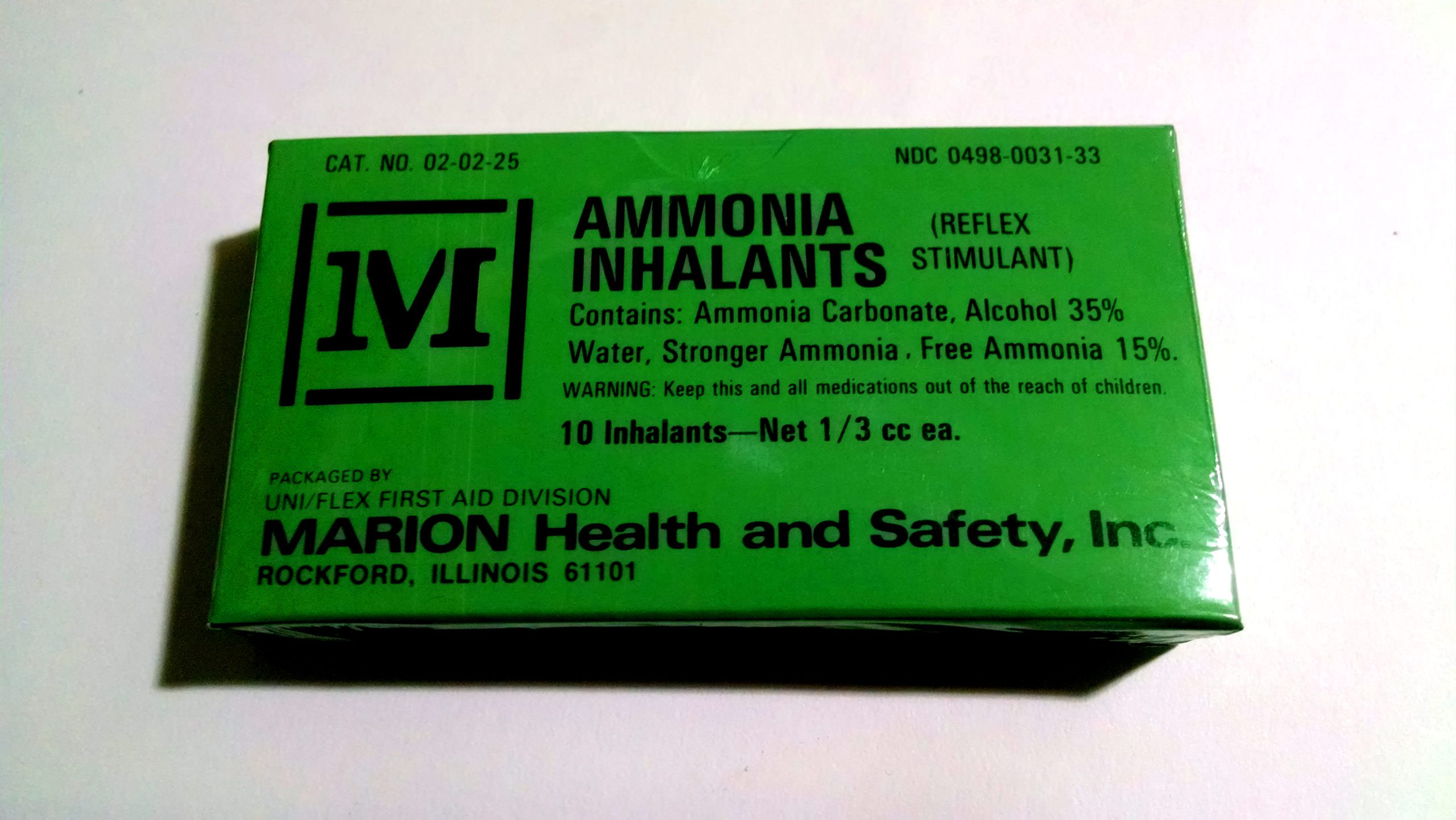
Ammonium Carbonate Manufacturing is gaining traction in India, driven by the growing demand in the pharmaceutical sector. This article explores the latest developments and opportunities in this field.
Overview of Ammonium Carbonate Manufacturing
Ammonium carbonate manufacturing plays a crucial role in various industries, including food, pharmaceuticals, and agriculture. This compound, often recognized for its use as a leavening agent in baking, has applications that extend beyond the kitchen. Establishing a manufacturing plant for ammonium carbonate requires a comprehensive understanding of the process, market demand, and regulatory requirements.
The manufacturing process typically involves the reaction of ammonia with carbon dioxide, producing ammonium carbonate. This is followed by crystallization to obtain the final product. Key considerations for setting up a plant include:
- Raw Material Sourcing: Ensuring a consistent supply of ammonia and carbon dioxide is vital for uninterrupted production.
- Technology Selection: Choosing the right technology for the manufacturing process can significantly impact efficiency and output.
- Regulatory Compliance: Adhering to environmental and safety regulations is essential to operate legally and sustainably.
- Market Research: Understanding the demand in various sectors can guide production levels and marketing strategies.
With the right planning and resources, ammonium carbonate manufacturing can become a profitable venture in the chemical industry.
Key Benefits of Setting Up in India
India offers numerous advantages for businesses involved in Ammonium Carbonate Manufacturing. Entrepreneurs considering setting up a plant in the country can benefit from the following:
- Cost-Effective Labor: India boasts a large workforce that is relatively inexpensive compared to many other countries, helping reduce overall operational costs.
- Access to Raw Materials: The country has abundant natural resources and raw materials essential for ammonium carbonate production, ensuring a steady supply chain.
- Growing Market Demand: With increasing applications in food processing, pharmaceuticals, and agriculture, the demand for ammonium carbonate is on the rise in India and abroad.
- Government Support: The Indian government encourages manufacturing through various incentives, including tax benefits and subsidies, which can significantly offset initial setup costs.
- Strategic Location: India’s geographical position provides easy access to international markets, making it an ideal hub for export-oriented manufacturing.
By leveraging these benefits, companies can establish a successful manufacturing operation that meets global standards while contributing to local economies.
Challenges in the Manufacturing Process
Ammonium carbonate manufacturing presents several challenges that can affect the efficiency and profitability of production. Understanding these challenges is crucial for businesses looking to set up a manufacturing plant in India.
- Raw Material Sourcing: Securing high-quality raw materials is essential. Fluctuations in the availability and price of materials can disrupt production schedules.
- Process Control: Maintaining optimal conditions during the manufacturing process is vital. Variations in temperature and humidity can lead to inconsistent product quality.
- Regulatory Compliance: Navigating the regulatory landscape can be complex. Manufacturers must adhere to stringent environmental and safety regulations, which may require significant investment in compliance measures.
- Technological Advancements: Staying updated with the latest manufacturing technologies is essential for efficiency. However, the costs associated with upgrading equipment can be a barrier for new entrants.
- Market Competition: The ammonium carbonate market is competitive. New manufacturers must develop effective strategies to differentiate their products and capture market share.
By addressing these challenges proactively, companies can enhance their chances of success in the ammonium carbonate manufacturing industry.
Future Trends in the Pharmaceutical Industry
The pharmaceutical industry is evolving rapidly, and ammonium carbonate manufacturing is poised to play a pivotal role in the upcoming trends. As the industry shifts towards sustainable practices, manufacturers are expected to adopt greener technologies that minimize waste and reduce environmental impact.
One significant trend is the increasing demand for personalized medicine, which requires more specialized production processes. This shift will encourage the development of tailored formulations using ammonium carbonate, enhancing drug efficacy and patient outcomes.
Additionally, the rise of artificial intelligence (AI) and machine learning in manufacturing is set to revolutionize operational efficiency. These technologies can optimize the production of ammonium carbonate, ensuring consistent quality while reducing costs.
Moreover, regulatory frameworks are becoming more stringent, urging manufacturers to implement robust quality assurance systems. This will lead to greater investment in innovative technologies that enhance compliance and safety standards in ammonium carbonate production.
Lastly, the growing emphasis on supply chain resilience will push companies to diversify their sourcing and production strategies, enabling them to respond swiftly to market changes and disruptions.
By Killerlimpet via Openverse