
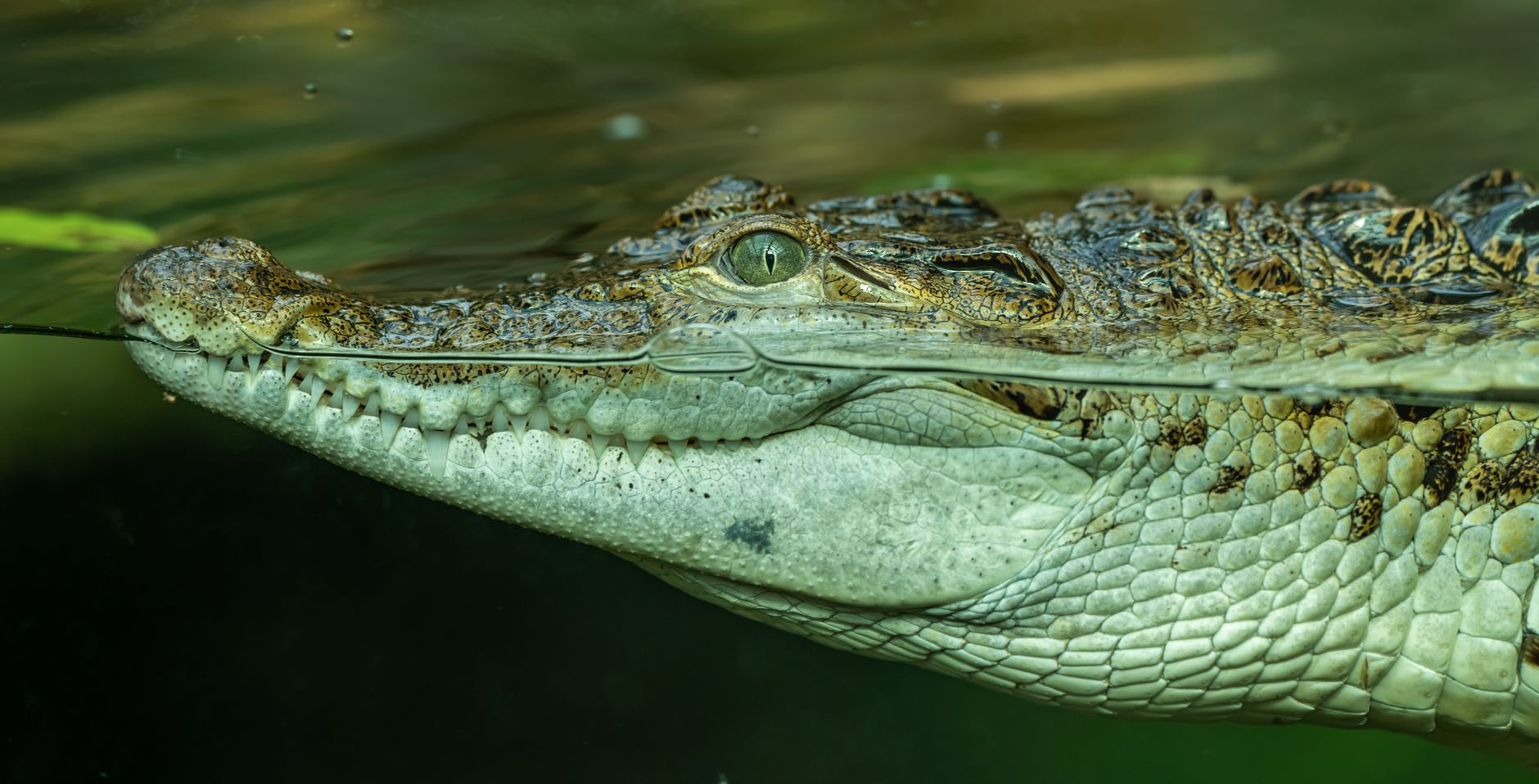
The crocodile attack video captures the terrifying moment when a handler was chomped on the legs by a crocodile. This chilling footage has raised concerns about safety in wildlife handling.
What Happened in the Crocodile Attack Video?
A recent crocodile attack video has surfaced, showcasing a terrifying encounter between a handler and a crocodile. The footage captures the moment when the handler was unexpectedly ambushed by the reptile while performing a routine demonstration. Viewers were left horrified as they witnessed the crocodile swiftly chomp down on the handler’s legs, leaving him grappling for survival.
In the video, the handler is seen desperately fighting back, his struggle amplified by the sheer size and strength of the crocodile. Eyewitnesses reported that he was unable to scream for help, which added to the chilling atmosphere of the event. The raw emotions displayed in the video have sparked discussions about safety measures in animal handling.
Many have expressed their shock at the footage, with comments highlighting the need for better training and precautions when working with such dangerous creatures. As the video continues to circulate on social media, it raises awareness about the risks faced by those in the field, reminding everyone of the unpredictable nature of wildlife.
Though the handler survived, the incident serves as a sobering reminder of the perils associated with crocodile interactions.
Reactions to the Chilling Footage
The recent crocodile attack video has sparked a wave of reactions across social media platforms, with many viewers expressing their shock and disbelief. The footage, which captures the harrowing moments of a crocodile lunging at a handler, has gone viral, igniting discussions about wildlife safety and the risks associated with animal handling.
Comments have flooded in from both animal lovers and conservationists. Some viewers were horrified by the brutal nature of the attack, with one user stating, “It’s terrifying to see something so powerful in action.” Others voiced their concerns about the safety measures in place during such encounters. A comment that resonated with many was, “He couldn’t scream, and that’s what makes this so chilling.”
Experts weighed in, emphasizing the unpredictability of wild animals and the importance of respecting their space. “This footage serves as a stark reminder of the dangers that come with working closely with crocodiles,” said one wildlife biologist. As the video continues to circulate, it remains a topic of heated debate, highlighting both the beauty and the peril of these magnificent creatures.
Safety Concerns in Wildlife Handling
The recent crocodile attack video has raised significant safety concerns regarding wildlife handling, particularly in environments where human interaction with dangerous animals is frequent. Such incidents highlight the inherent risks posed to both handlers and spectators when dealing with unpredictable wildlife.
Experts emphasize that proper training and safety protocols are crucial in minimizing these risks. Many wildlife handlers, while skilled, may underestimate the potential dangers associated with their work. The crocodile attack video serves as a grim reminder that even experienced professionals can find themselves in life-threatening situations.
Organizations involved in wildlife education and conservation must prioritize the safety of their staff. This can be achieved through:
- Comprehensive training that focuses on understanding animal behavior.
- Strict safety protocols that are enforced during public demonstrations.
- Regular assessments of equipment and handling techniques to ensure they meet safety standards.
Ultimately, the chilling footage not only underscores the need for vigilance but also calls for a reevaluation of current wildlife handling practices to prevent future tragedies.
Expert Opinions on Crocodile Behavior
Experts in wildlife behavior have weighed in on the recent crocodile attack video that has left viewers shocked and concerned about safety protocols when interacting with these powerful reptiles. Dr. Emily Carter, a leading crocodilian biologist, stated, “Crocodiles are instinctual hunters, and their behavior can be unpredictable, especially when they feel threatened or are protecting their territory.”
Many professionals emphasize the importance of understanding crocodile body language to prevent dangerous encounters. Dr. Samuel Lee, a wildlife psychologist, noted that “the signs of aggression in crocodiles include hissing, bared teeth, and rapid tail movements. Recognizing these signals can be critical for handlers.”
Additionally, experts stress that safety measures must be strictly enforced during wildlife demonstrations. Jane Rodriguez, an animal welfare advocate, mentioned, “The crocodile attack video serves as a stark reminder of the risks involved. Proper training and safety gear are non-negotiable.”
As public fascination with crocodiles grows, it is crucial to prioritize the safety of both humans and animals in these interactions. Understanding crocodile behavior will play a pivotal role in preventing future incidents.
Survival Stories from Animal Encounters
Survival stories from animal encounters often reveal the harrowing experiences that individuals face when confronted by wild creatures. The recent crocodile attack video has brought attention to the extreme challenges of surviving such encounters, showcasing the bravery and resilience of those involved.
One notable story comes from a wildlife handler who, during a routine demonstration, found himself in a life-threatening situation. As captured in the chilling footage, he fought desperately to escape the crocodile’s powerful grip. Eyewitnesses reported that he appeared unable to scream, a chilling testament to the shock and fear that can accompany such an attack.
In another instance, a hiker on the banks of a river narrowly escaped an ambush from a lurking crocodile. His quick thinking and swift movements allowed him to evade the jaws of the predator, turning a near-fatal encounter into a remarkable survival story.
These accounts underscore the unpredictability of wildlife encounters and the instinctual drive for survival. Such experiences not only highlight the dangers involved but also serve as a reminder of the respect and caution needed when engaging with nature.
The Importance of Wildlife Safety Training
The recent crocodile attack video has sparked intense discussions about the necessity of wildlife safety training for those who interact with dangerous animals. Understanding animal behavior and proper handling techniques can significantly reduce the risk of such terrifying encounters.
Wildlife experts emphasize that comprehensive training programs are crucial for both professionals and enthusiasts. These programs should include:
- Behavioral Understanding: Learning the body language and warning signs of crocodiles can help prevent attacks.
- Emergency Response: Knowing how to react during an attack can be lifesaving.
- Safety Protocols: Implementing strict guidelines when working with or observing crocodiles is essential.
Moreover, the crocodile attack video serves as a stark reminder of the potential dangers involved in wildlife encounters. Individuals must recognize that these animals are not to be underestimated, and safety training is a vital step in mitigating risks.
Incorporating these educational measures can potentially decrease the likelihood of future incidents, ensuring that both humans and wildlife can coexist safely and respectfully.
The crocodile attack video serves as a chilling reminder of the dangers lurking in the wild. Many viewers have expressed their disbelief at the sheer intensity of the crocodile attack video, highlighting the importance of caution in such environments.
Photo by Petr Ganaj on Pexels
Where this came from
How Veterinary Internships Abroad Shape Future Animal Health Professionals · The Business Case for Investing in Employee Experiences, Not Just Employee Benefits · How to Choose the Best CBD Capsules for a Peaceful Sleep